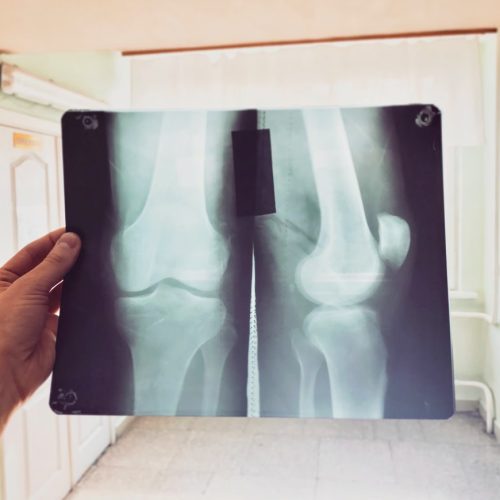
Broken bones are common in childhood, especially of the wrist, forearm and elbow. Children’s bones are different from adults’, and they are treated differently.
How children's bones differ
They are more flexible, so they can bend or buckle rather than snap. Buckle and greenstick fractures are unique to children.
They heal faster: a fracture that takes three months to heal in an adult may heal in four to six weeks in a young child.
They can remodel. As a child grows, a bone that has healed at a slight angle can straighten itself over time.
They have growth plates: areas of cartilage near the ends of the bones where growth happens.
Growth plate injuries
Growth plates are weaker than the surrounding bone, so they are often involved in fractures. Most heal without problems. Occasionally an injury disturbs growth, causing a limb to grow shorter or at an angle. Fractures involving the growth plate may need follow-up for a year or more to check that growth continues normally.
Treatment
Most children’s fractures are treated in a cast or splint, sometimes after the bone has been straightened under anaesthetic. Surgery is needed for some fractures, including many elbow fractures, displaced fractures that can’t be held in a cast, and fractures that involve a joint or growth plate. Fixation in children usually uses smooth wires or flexible nails, which cause little damage to growing bone, and are often removed once the fracture has healed.
When to seek help
Take your child to an emergency unit if a limb is obviously deformed, very swollen, or the child won’t use it. In young children who can’t yet explain their symptoms, refusing to walk or to use an arm can be the main sign of a fracture.